back to art styles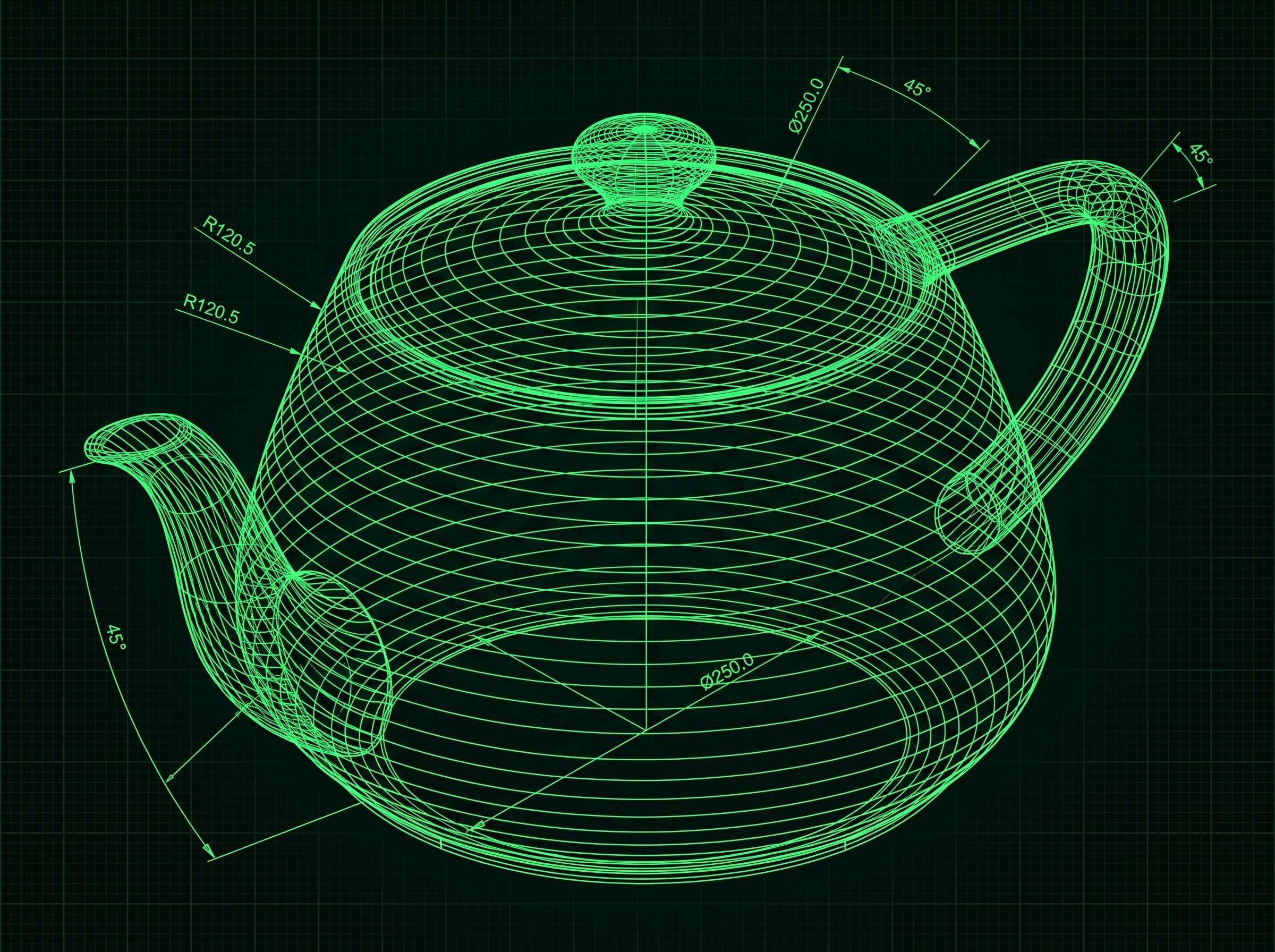
Art lane
Phosphor
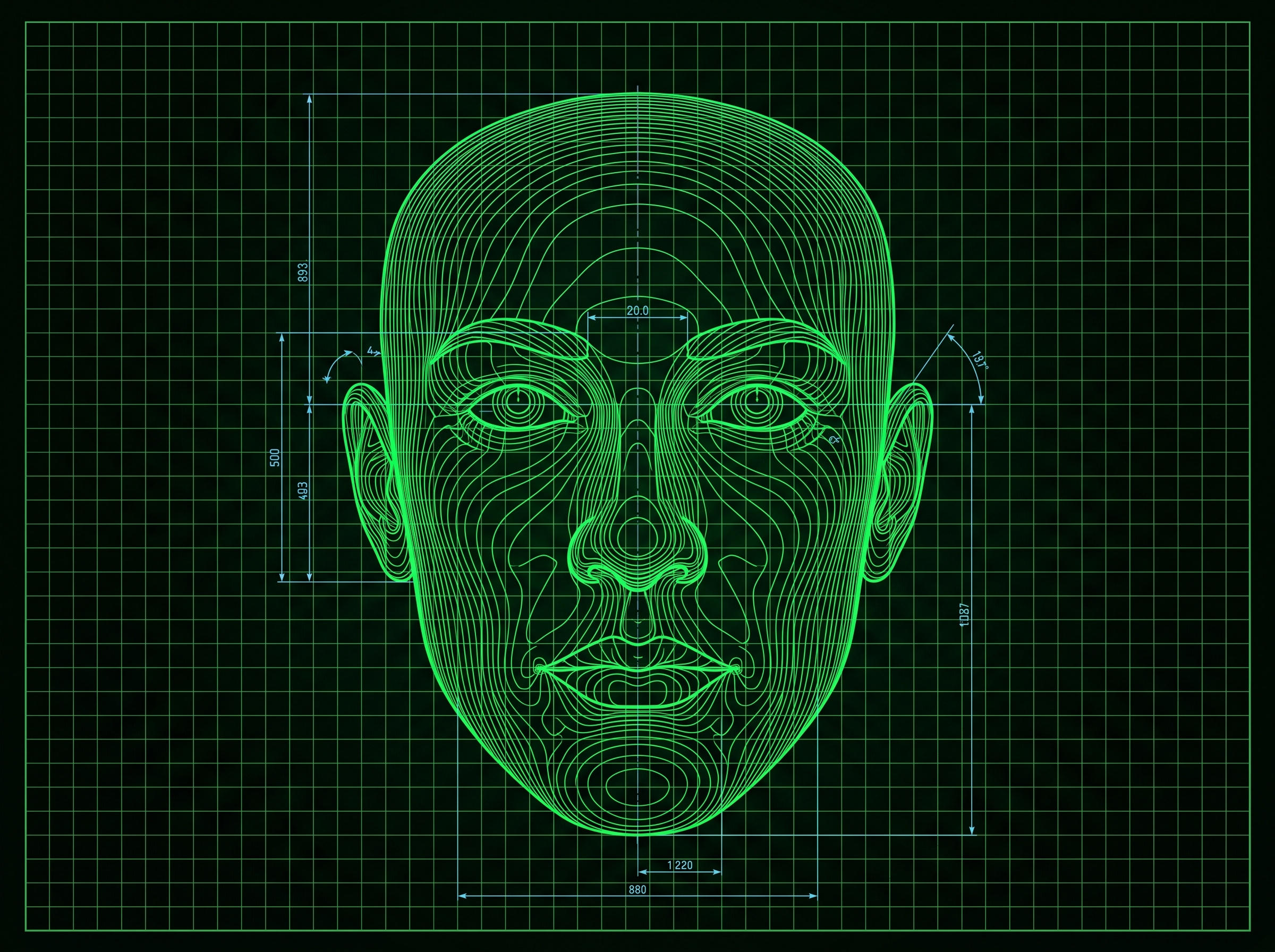
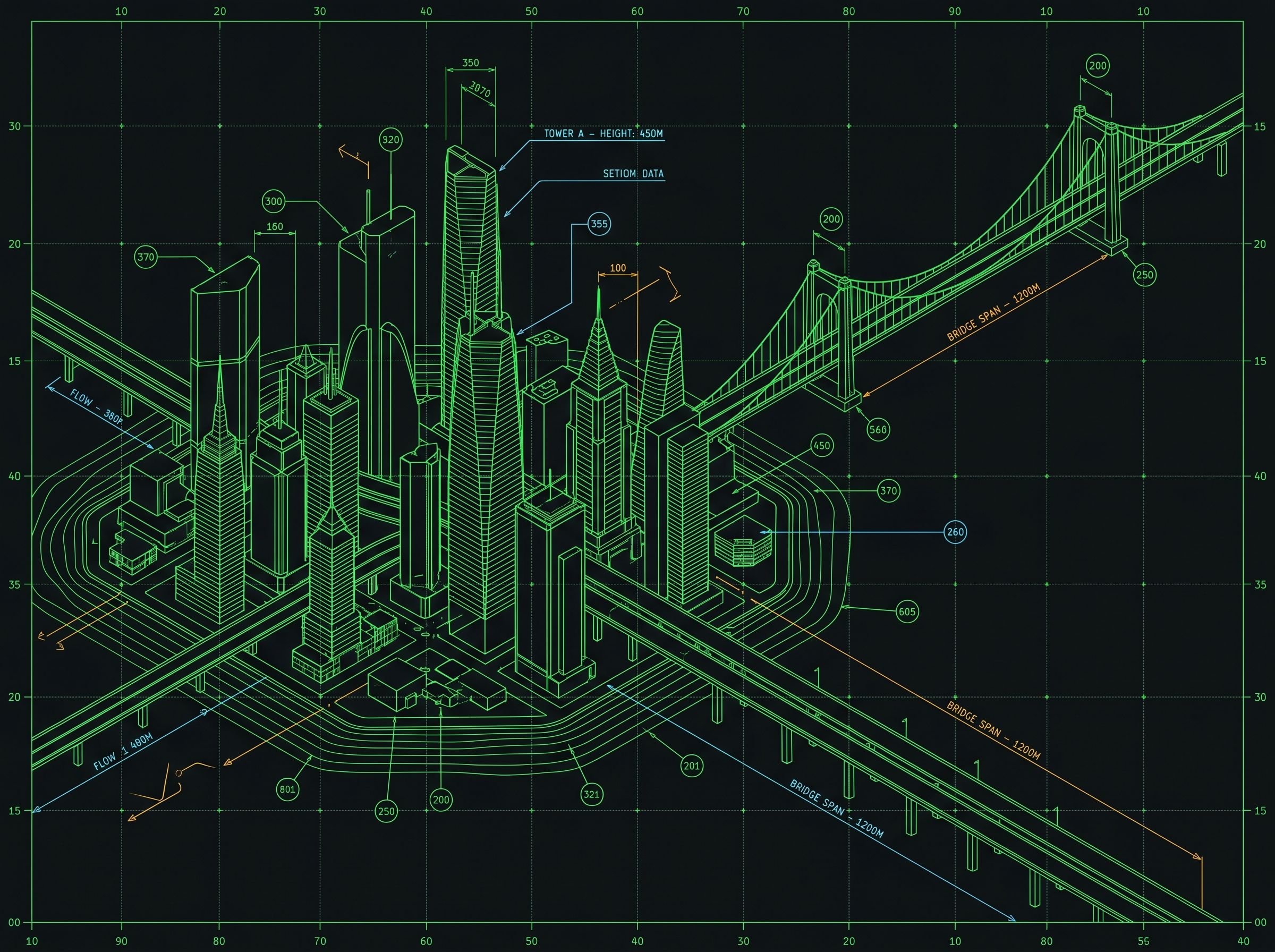
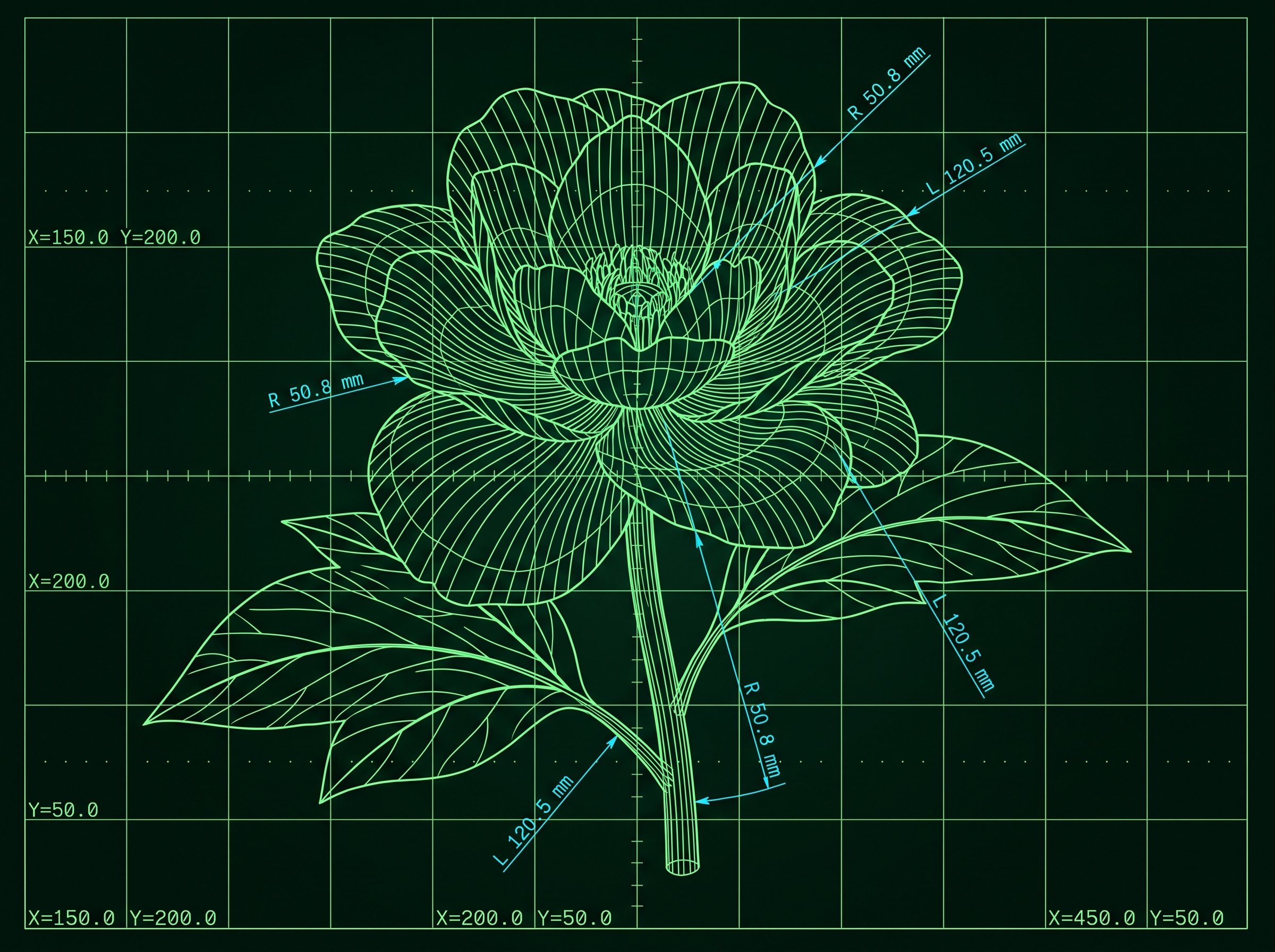
An engine-agnostic style recipe: a wide hero, proof shots across subjects, and a portable prompt.
1 hero · 3 proofs
Prompt template
{subject}, in the style of Phosphor — a precise technical CAD wireframe rendering built entirely from thin luminous monochrome vector hairlines on a near-black ground, like an oscilloscope vector display or pen-plotter blueprint. The {subject} is constructed purely from fine measured surface contour rings, longitudinal sweep lines, cross-section profile curves, and a faint 1px monospace coordinate grid behind it, with a few sparse dimension callouts and tick arrows. {palette}. No solid fills, no shading gradients — depth comes only from line density. Sharp, clinical, engineering-instrument aesthetic. Fills the entire frame edge to edge, no border, no whitespace.Slot recipes
hero — A single bold subject rendered as a full-frame Phosphor wireframe — luminous monochrome contour lines on near-black, dense longitudinal and cross-section sweeps, faint coordinate grid behind, sparse dimension callouts. Subject fills the entire bleed, no margins.
feature — A mid-complexity object or scene as a Phosphor CAD wireframe, three-quarter or isometric construction view, measured contour mesh and a few labeled dimension lines, coordinate grid backdrop, edge to edge.
avatar — A head-and-shoulders subject as a Phosphor wireframe portrait built from topographic contour lines and a centered coordinate grid, tightly framed, square, no background scene.
empty-state — A sparse single subject in Phosphor wireframe with only a few contour lines and a faint grid, calm and minimal, still filling the frame without large blank areas.
illustration — A detailed subject as a Phosphor wireframe with rich layered contour rings, sweep lines, and a secondary annotation color for callouts, reading like a precise engineering schematic, full-frame.
vector-wireframecad-blueprintoscilloscopecontour-linesmonochrome-line
Credits · in the lineage of
- Technical CAD wireframe renderingTraditionluminous vector edges
A generated style is an aggregate of many influences — credit is given to the artists and traditions it draws on, not a claim of authorship.
produced by unrecorded · sourced by unrecorded · images by unrecorded
Do
- · Build every form purely from thin luminous vector hairlines on a near-black ground.
- · Use surface-of-revolution rings, longitudinal sweeps, and cross-section profiles to describe volume — let depth come from line density alone.
- · Keep a faint 1px monospace coordinate grid behind the subject so it reads as an instrument display.
- · Add only sparse dimension callouts and tick arrows; one restrained secondary color (cyan or amber) for annotation lines.
- · Fill the frame edge to edge with a single dominant subject.
Don't
- · Do not use solid fills, flat color blocks, painterly shading, or soft gradients.
- · Do not add glow bloom, photographic texture, or realistic lighting.
- · Do not lay out engineering title blocks, large dark margins, or paragraphs of text.
- · Do not round the linework into soft illustration or add drop shadows.
- · Do not let the subject become a tiny multi-view inset surrounded by empty space.
try it
remix with this style
Apply Phosphor to any UI language and swap the palette — the preview takes this style's hero image.
Needs a Published language and palette to remix.