back to art styles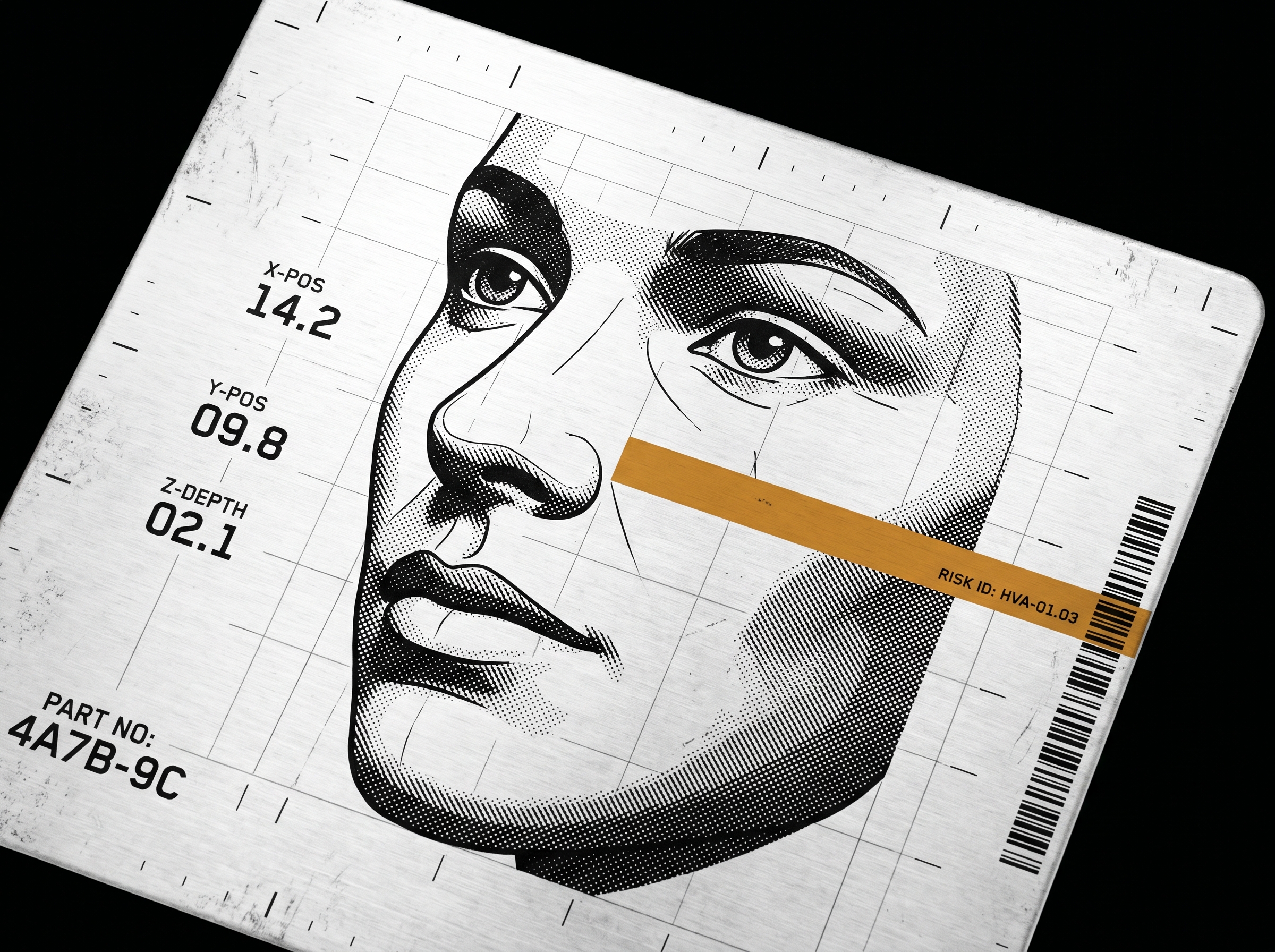
Art lane
Anodize
An engine-agnostic style recipe: a wide hero, proof shots across subjects, and a portable prompt.
1 hero · 3 proofs
Prompt template
{subject}, in the style of Anodize: a flat high-contrast monochrome engineering service-plate rendering on oxidized brushed-aluminum, bone-white and graphite ink with stippled halftone tonal hatching and crisp diagrammatic line work, {palette}, overlaid with a thin near-invisible white hairline grid, sparse registration tick marks, leader lines into segmented seven-segment numeric readout cells, a single thin solid amber risk-tape bar carrying one clean all-caps part-ID code, and a vertical barcode part-ID rail along one edge, vacuum-black ground, the subject filling the frame and bleeding off all edges, flat procedural and calm, material honesty of ink and aluminumSlot recipes
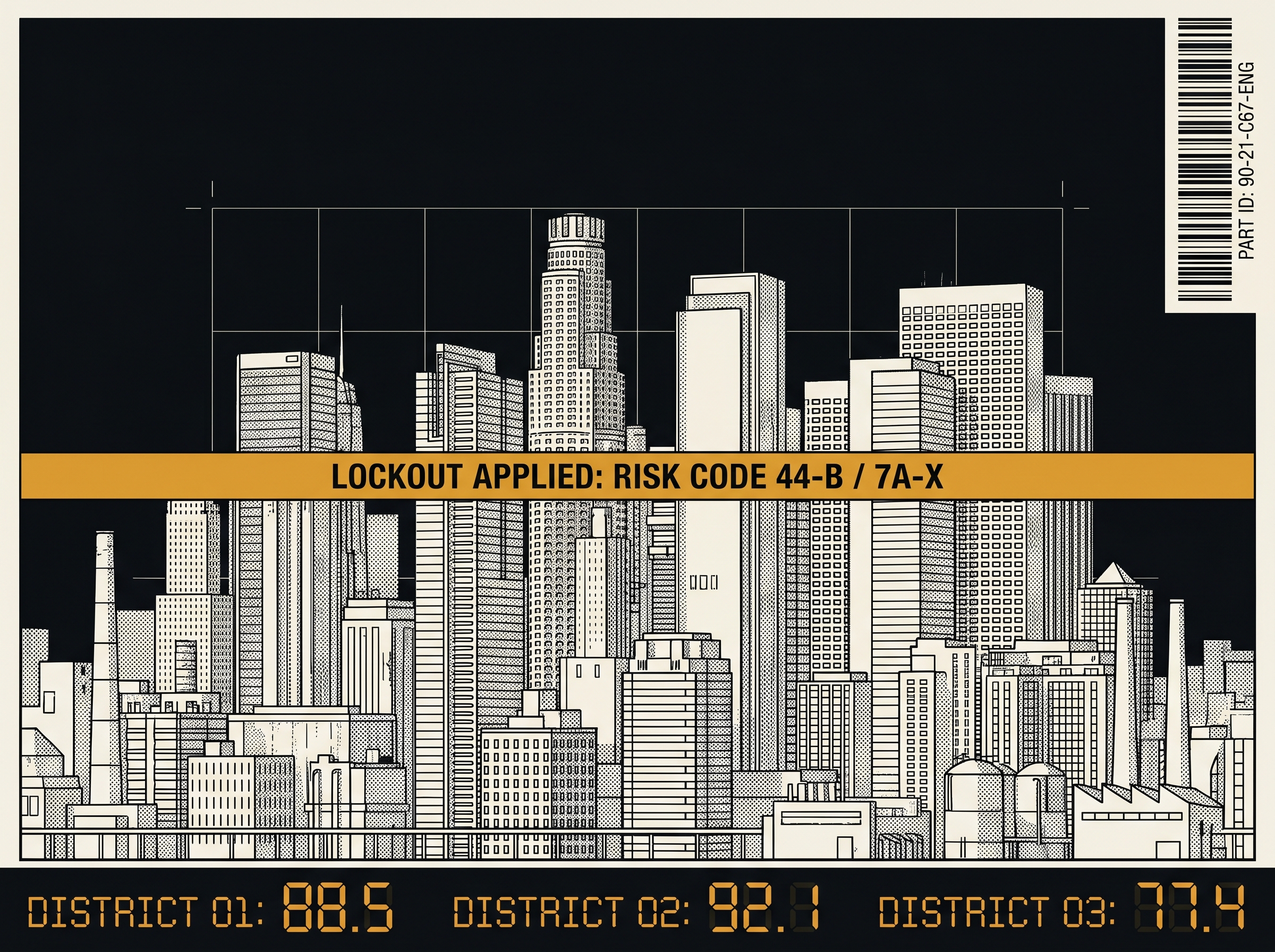
hero — {subject} centered and large, three-quarter or front view, filling the frame and bleeding off all edges on vacuum-black; full halftone hatching, one amber risk-tape bar across a mid-region with a single part-ID code, hairline grid and registration ticks, barcode rail down one edge. Composed for a full-bleed landing hero.
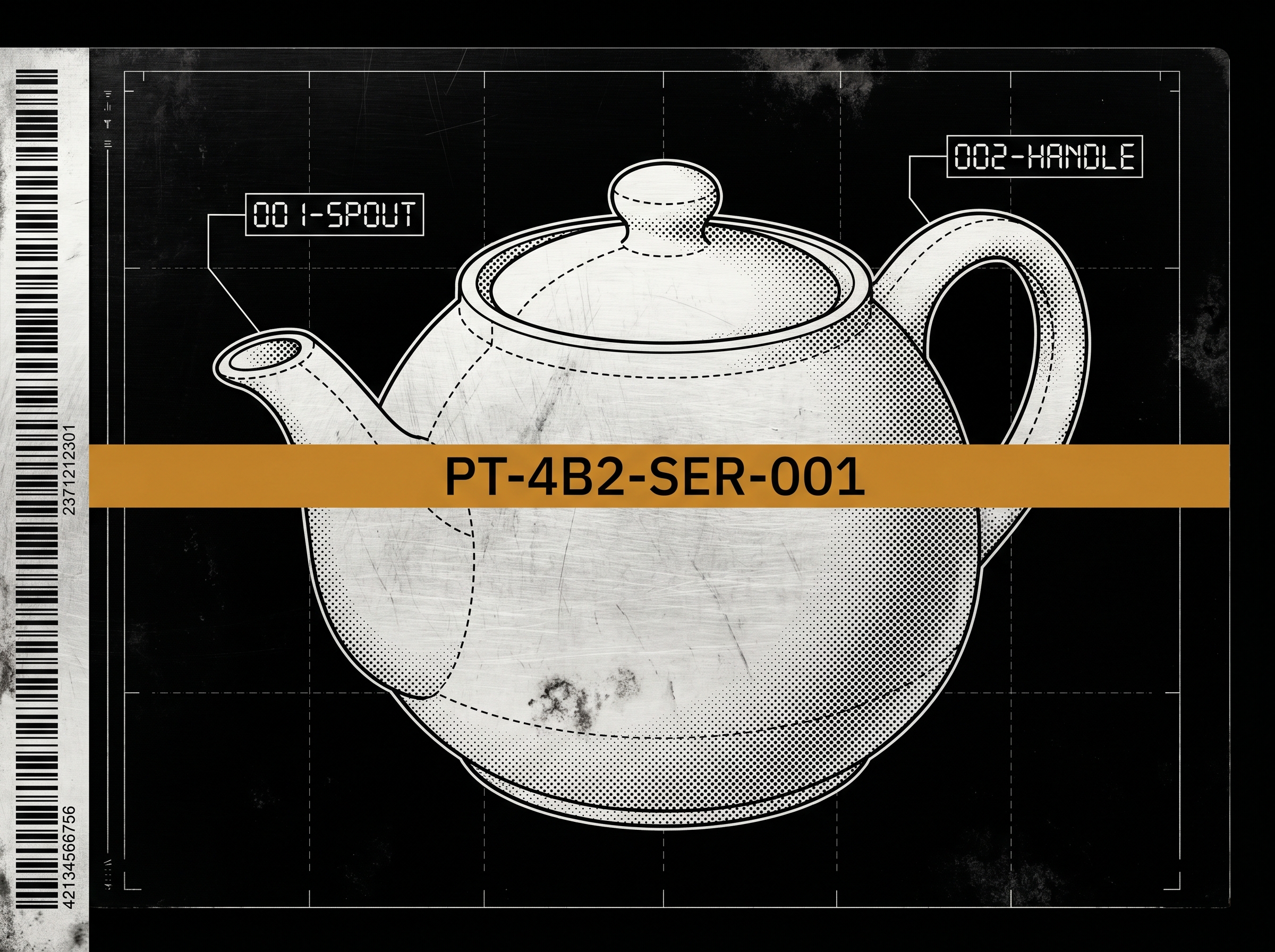
feature — {subject} rendered as a tighter inked plate with two or three leader-line callouts into segmented numeric readout cells naming its parts; amber tape sits on one risk region only. Reads as a maintenance-manual figure.
avatar — A single {subject} bust or object in three-quarter view, cropped close, heavy halftone modeling, hairline grid behind it, one small amber part-ID tab in a corner; no callouts cluttering the face.
empty-state — A sparse inked plate of {subject} reduced to its outline on a large vacuum-black field, faint hairline grid, one calm amber tape with a 'NO DATA' style part-ID code, generous negative space for existential quiet.
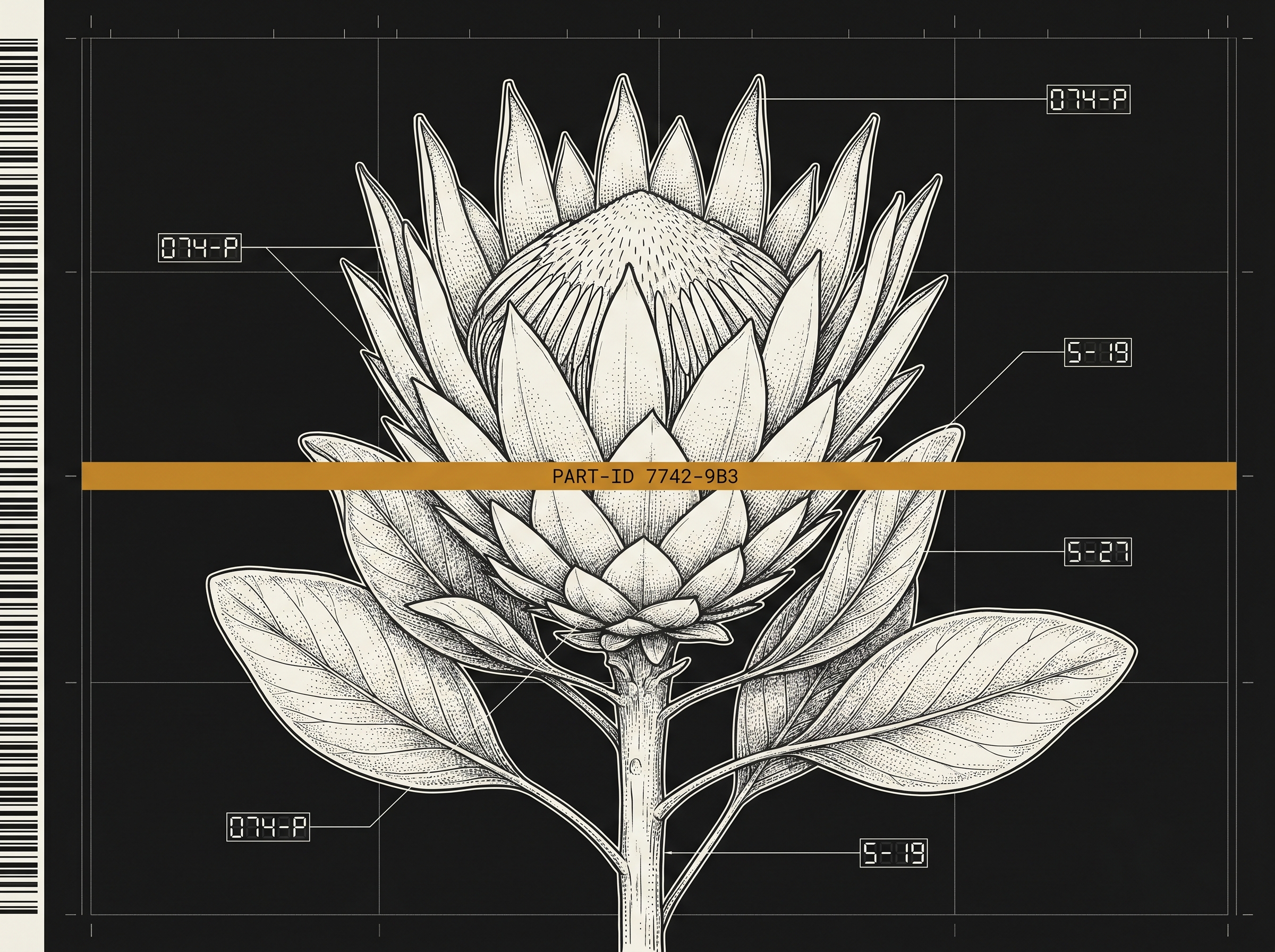
illustration — {subject} as a procedural specimen or exploded-parts plate, dense halftone hatching, multiple leader-line callouts and seven-segment readouts, barcode rail and registration corners, single amber risk-tape; full-frame, no surrounding object or bezel.
inked-service-platehalftone-hatchingengineering-diagrammonochrome-high-contrastamber-risk-tape
Credits · in the lineage of
- Engineering service-plate graphicsTraditionanodized panel engraving
A generated style is an aggregate of many influences — credit is given to the artists and traditions it draws on, not a claim of authorship.
produced by unrecorded · sourced by unrecorded · images by unrecorded
Do
- · Render any subject flat and monochrome in bone-white and graphite ink with stippled halftone hatching, never photographic gradients.
- · Make the subject fill the frame and bleed off all four edges so it is the artwork, not a plate sitting on a background.
- · Annotate with thin leader lines into small segmented seven-segment readout cells, a hairline structural grid, registration ticks, and a vertical barcode part-ID rail.
- · Reserve amber for exactly one risk-tape bar carrying a single clean all-caps part-ID or risk code.
- · Keep the mood calm, procedural, and high-contrast: vacuum black, bone white, ink.
Don't
- · Do not draw a framed metal plaque, bezel, rounded-corner card, or device mockup with the artwork inside it.
- · Do not use color photography, glossy 3D, glow, bloom, neon, or cyberpunk magenta/cyan.
- · Do not spread amber across multiple highlights; it is a single accent, never decorative.
- · Do not fill the tape or callouts with gibberish micro-text or alarm overload; a few clean codes only.
- · Do not add soft airbrush shading or drop shadows that break the flat inked read.
try it
remix with this style
Apply Anodize to any UI language and swap the palette — the preview takes this style's hero image.
Needs a Published language and palette to remix.