back to art styles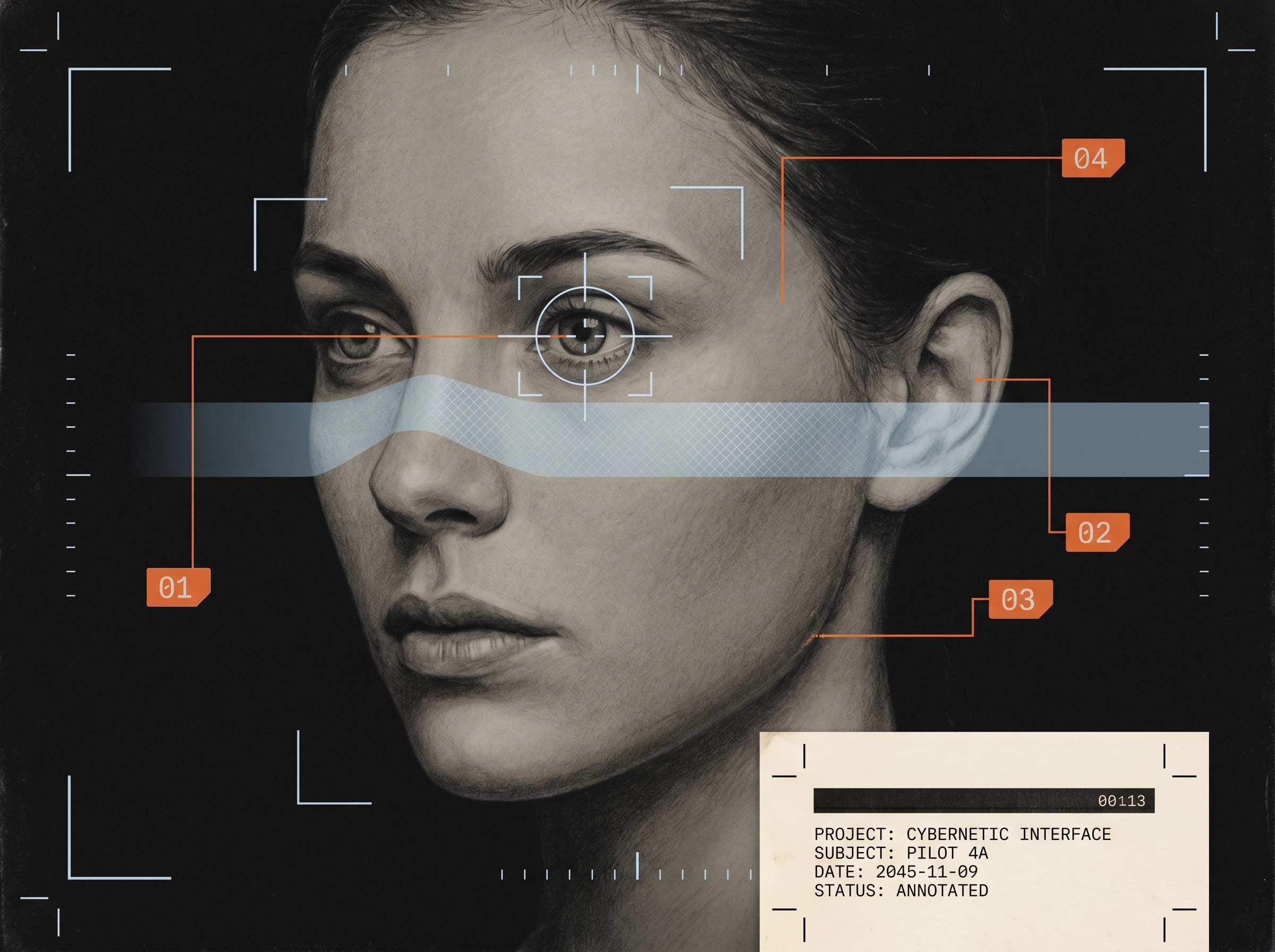
Art lane
Leadline Atlas
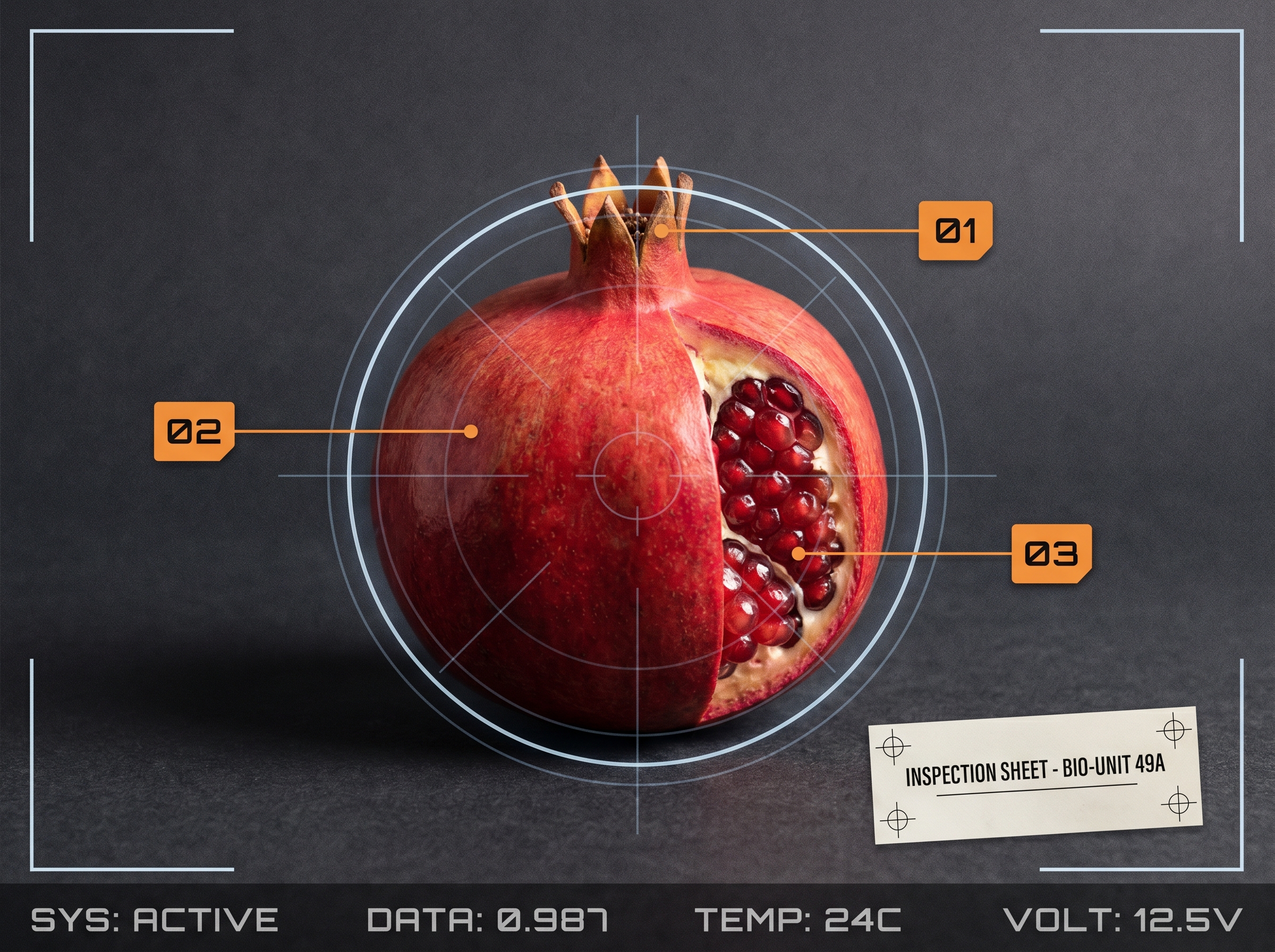
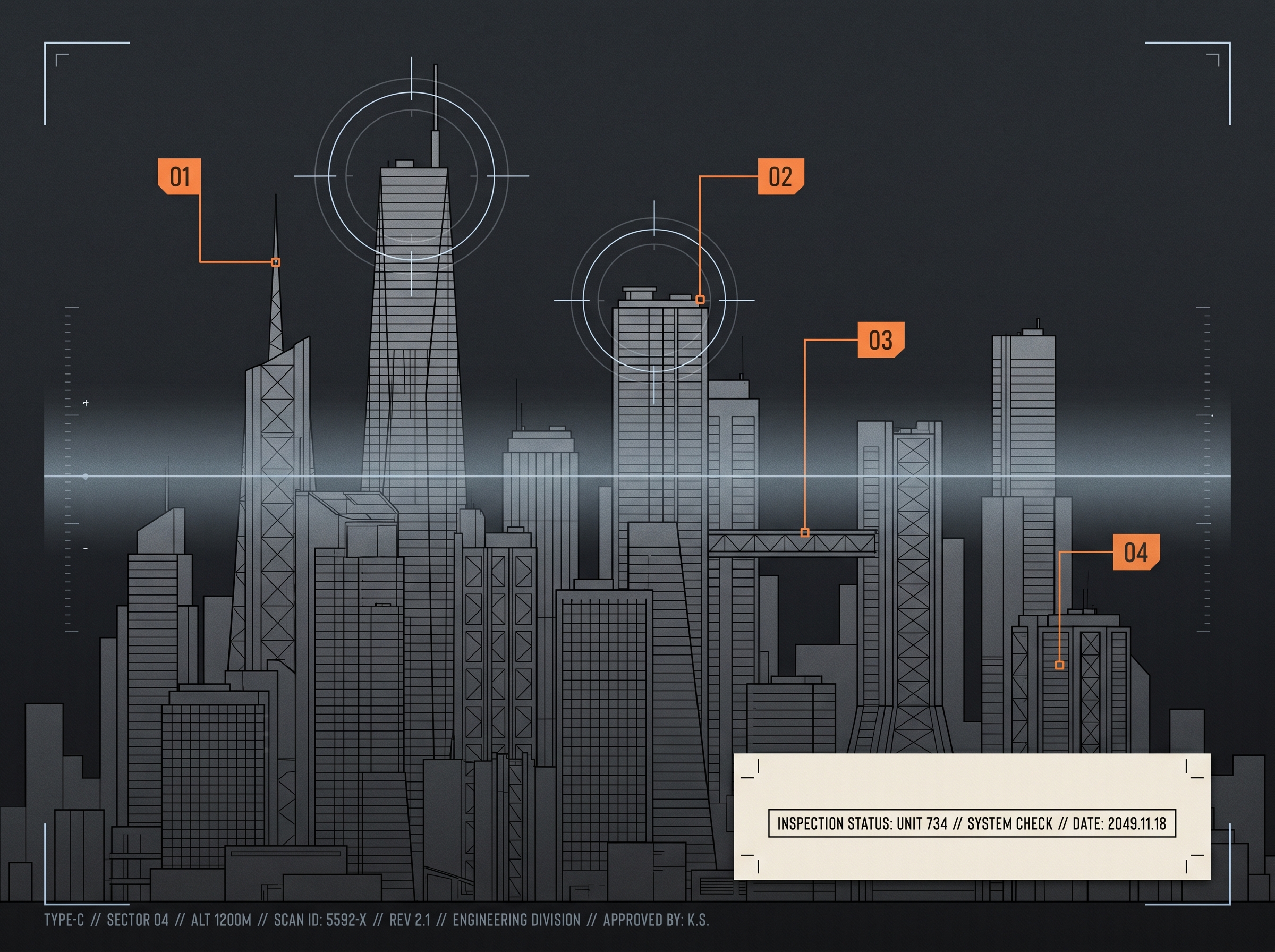
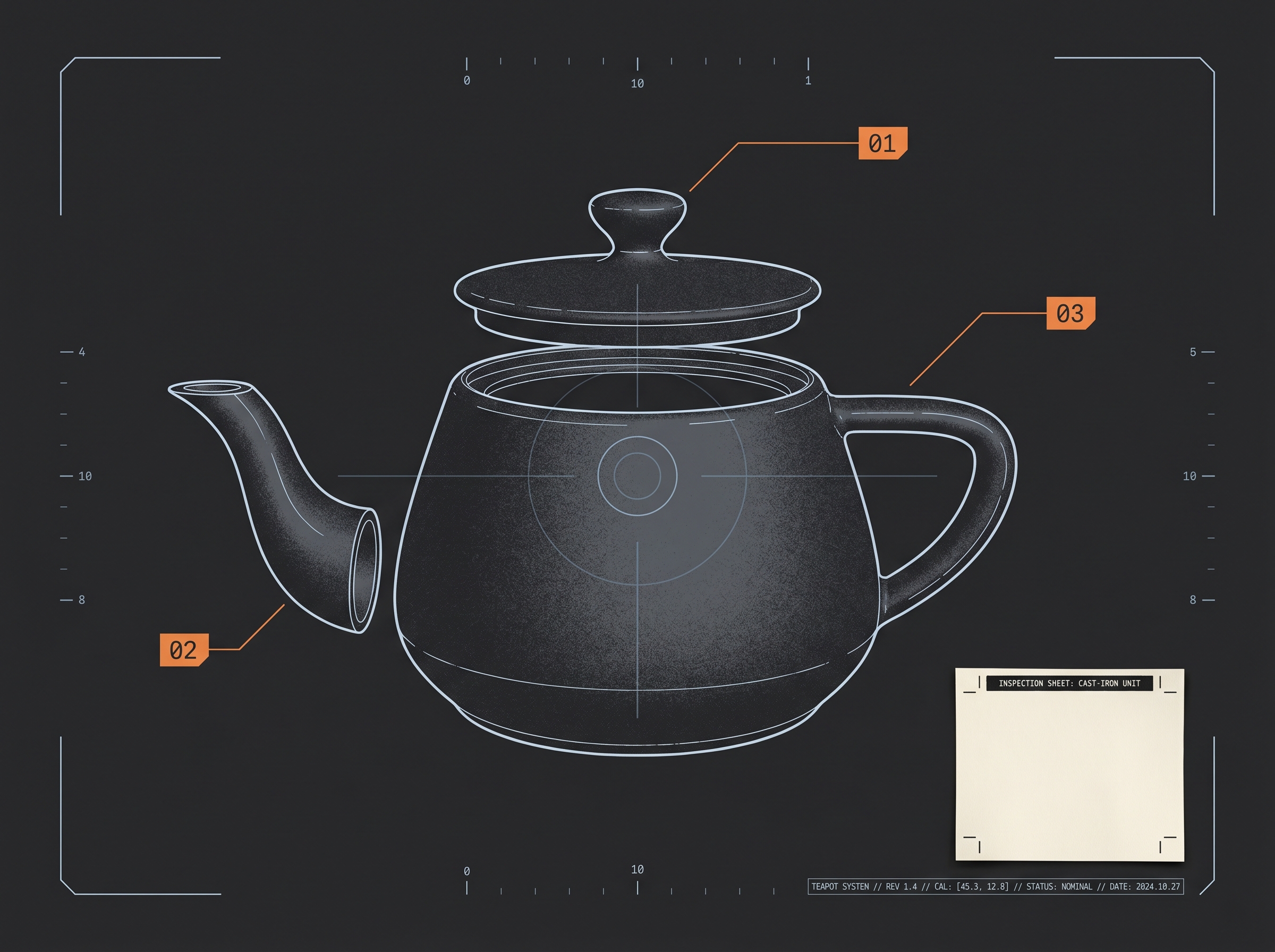
An engine-agnostic style recipe: a wide hero, proof shots across subjects, and a portable prompt.
1 hero · 3 proofs
Prompt template
{subject}, in the style of Leadline Atlas — rendered as a technical cockpit inspection plate: the subject sits full-frame against a matte near-black graphite field with subtle grain, overlaid with thin pale blue-white HUD geometry (1px corner brackets that stop before fully closing, a faint targeting reticle and concentric calibration ring, sparse measurement ticks, one low-opacity translucent glass scan band), with safety-orange numbered callout chips (small rectangular tabs reading 01, 02, 03) connected to specific parts of the subject by crisp 1px orthogonal orange leader lines that bend at right angles, plus a single warm off-white annotation paper inset in one corner with hard black crop marks and a printed label band, {palette}, restrained diegetic mecha-systems-manual aesthetic, generous black negative space, precise and instrument-gradeSlot recipes
hero — {subject} centered and filling a 16:9 frame on matte graphite, full HUD treatment — corner brackets, central reticle with calibration ring, one translucent scan band, three orange numbered callout chips on orthogonal leader lines to the subject's key parts, off-white label inset bottom corner; wide black negative space around the subject for headline overlay
feature — a single {subject} detail framed tight in 4:3, one or two orange callout chips with short orthogonal leader lines to the highlighted part, sparse calibration ticks along one edge, minimal pale reticle, restrained
avatar — {subject} as a centered 1:1 inspection portrait on graphite, a faint reticle ring framing it, one or two orange numbered chips on short leader lines, tight corner brackets, no paper inset
empty-state — a faint pale blue-white reticle and corner brackets on a near-empty graphite field with a single dimmed orange callout chip reading '00' on a short leader line pointing into open negative space, calm and unobtrusive
illustration — {subject} rendered as a full exploded-system inspection plate — primary parts slightly separated, each tagged with a numbered orange callout chip on orthogonal leader lines, pale HUD measurement scales on two edges, off-white annotation paper inset with crop marks and a label band
technical-annotationhud-overlayleader-line-calloutsexploded-diagramcorner-brackets
Credits · in the lineage of
- Cockpit inspection-plate graphicsTraditionannotated technical plates
A generated style is an aggregate of many influences — credit is given to the artists and traditions it draws on, not a claim of authorship.
produced by unrecorded · sourced by unrecorded · images by unrecorded
Do
- · Let the subject fill the frame; the HUD, reticles and callouts dress the subject, never replace it.
- · Keep all HUD geometry hairline and pale blue-white at low opacity — corner brackets stop short of closing.
- · Use safety orange sparingly, only for numbered callout chips and the 1px orthogonal leader lines connecting them to parts.
- · Anchor every callout to a real, specific feature of the subject with a right-angle leader line.
- · Hold large quiet graphite regions; confine dense microtype to one corner label or a single edge strip.
Don't
- · Don't add neon glow, glowing grids, color gradients, or cyberpunk purple.
- · Don't render the instrument apparatus alone — the technique treats a subject, it is not the subject.
- · Don't fill the frame with data; leave deliberate negative space.
- · Don't let orange dominate or appear as large fills — it stays a highlighter accent.
- · Don't use green matrix rain, hacker-dashboard motifs, or decorative anime/mecha illustration.
try it
remix with this style
Apply Leadline Atlas to any UI language and swap the palette — the preview takes this style's hero image.
Needs a Published language and palette to remix.