back to art styles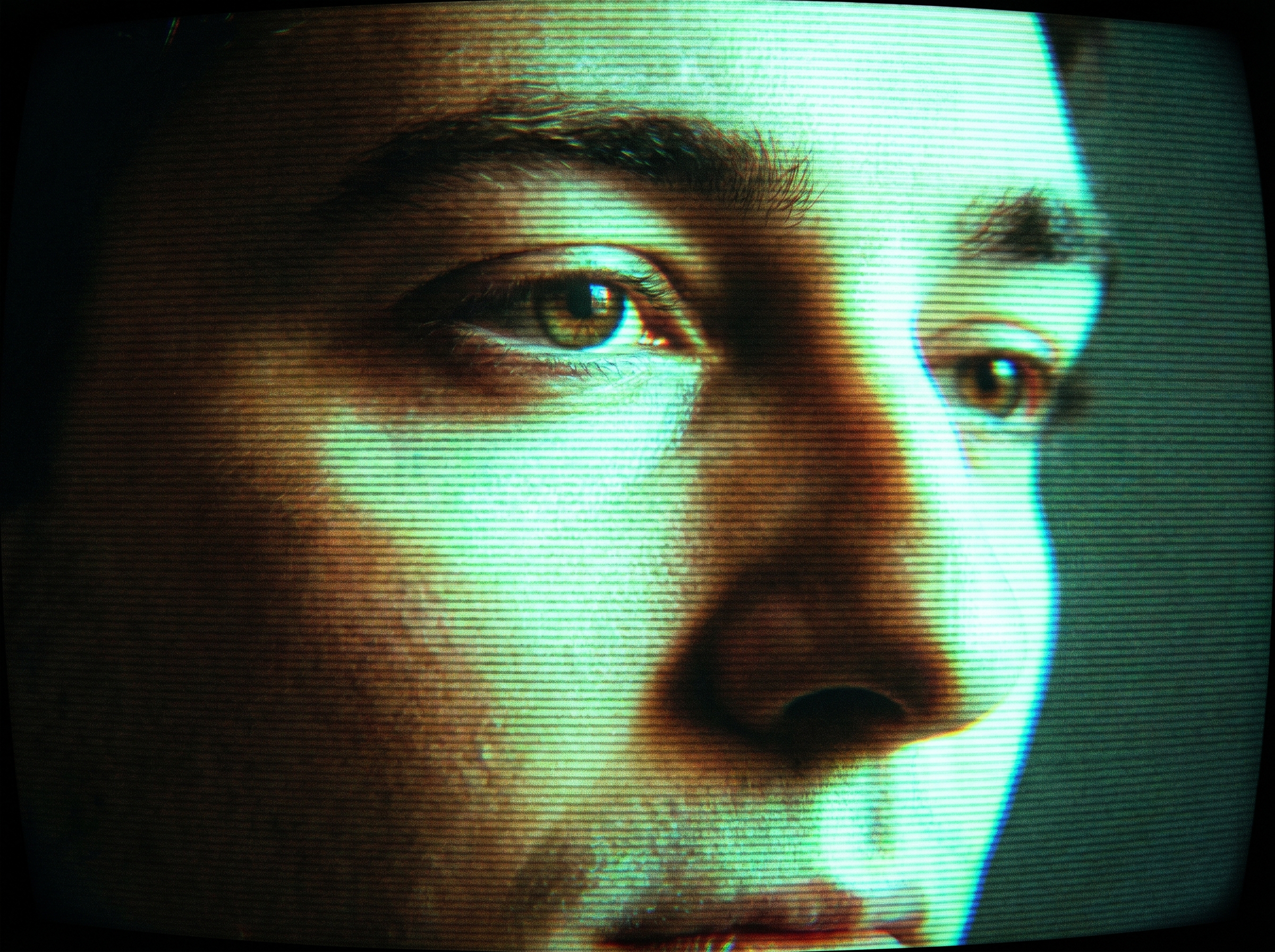
Art lane
Cathode
An engine-agnostic style recipe: a wide hero, proof shots across subjects, and a portable prompt.
1 hero · 3 proofs
Prompt template
{subject}, in the style of Cathode — rendered as if captured off a glowing cathode-ray-tube screen. The image carries the full CRT treatment baked into the picture itself: dense horizontal RGB scanlines across the whole frame, soft phosphor bloom haloing every bright edge, subtle chromatic-aberration red/blue fringing at high-contrast borders, a gentle barrel curvature, and a faint dark vignette only at the extreme corners. {palette} — luminous phosphor highlights reading as neon-green key light with cyan and warm amber accents over deep near-black shadows. The {subject} fills the entire frame edge to edge and overflows the edges. Cinematic, technical, instrument-display mood.Slot recipes
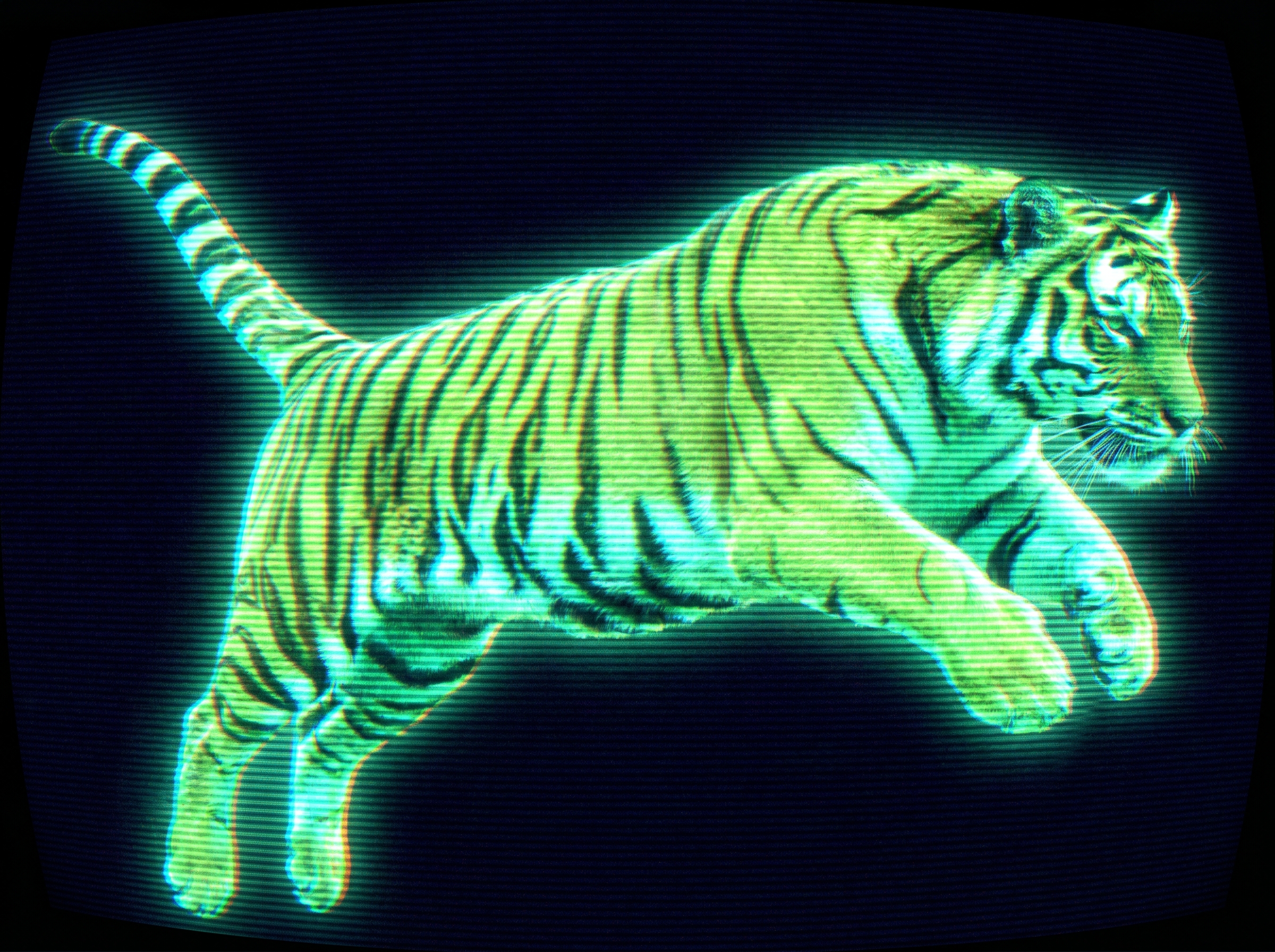
hero — A single bold subject rendered full-bleed in the Cathode style — heavy phosphor bloom, dense RGB scanlines, chromatic-aberration fringing and gentle barrel curvature baked into the image, luminous neon-green key with cyan and amber accents on near-black. The subject overflows every edge; no bezel, no margins.
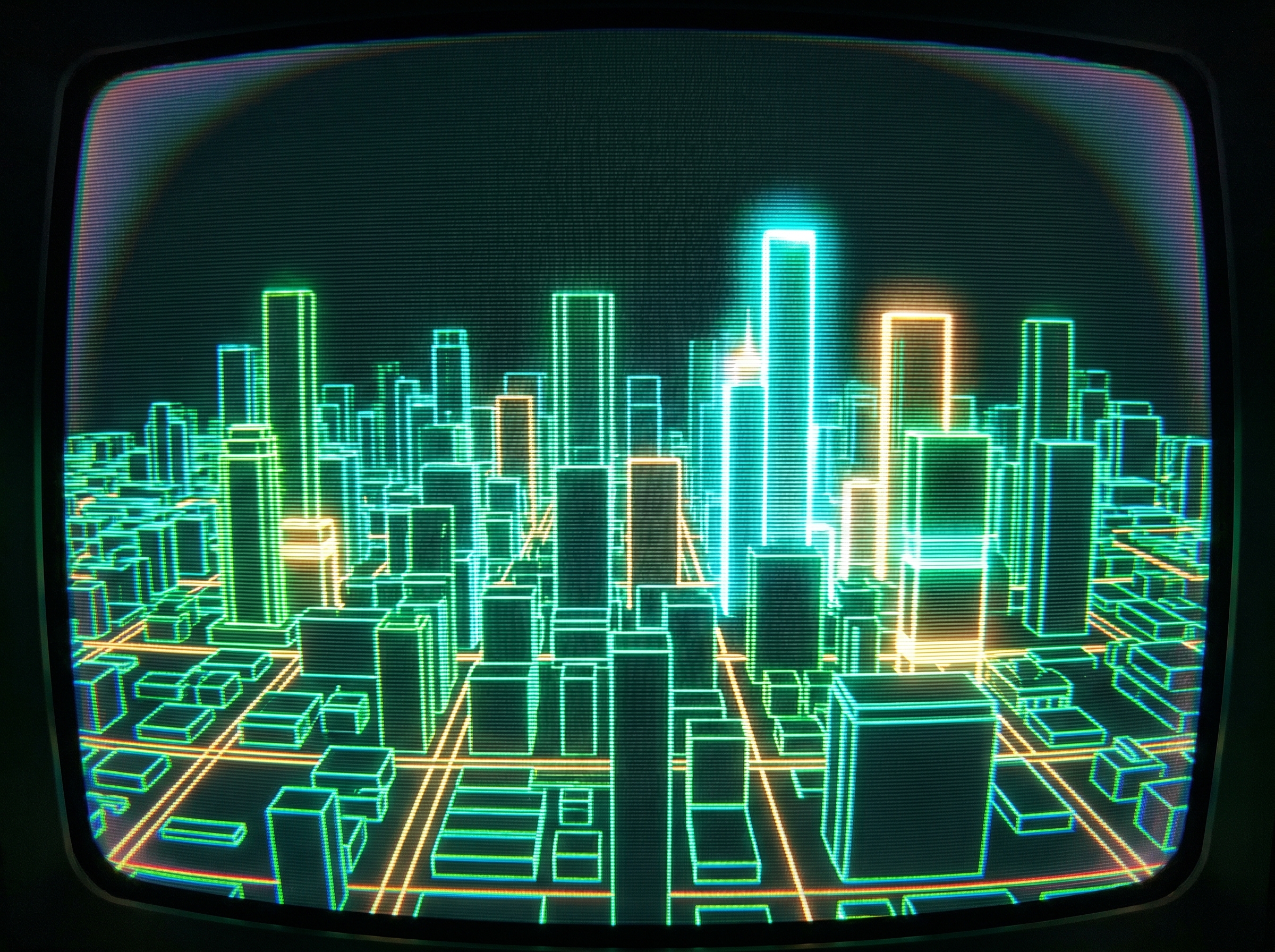
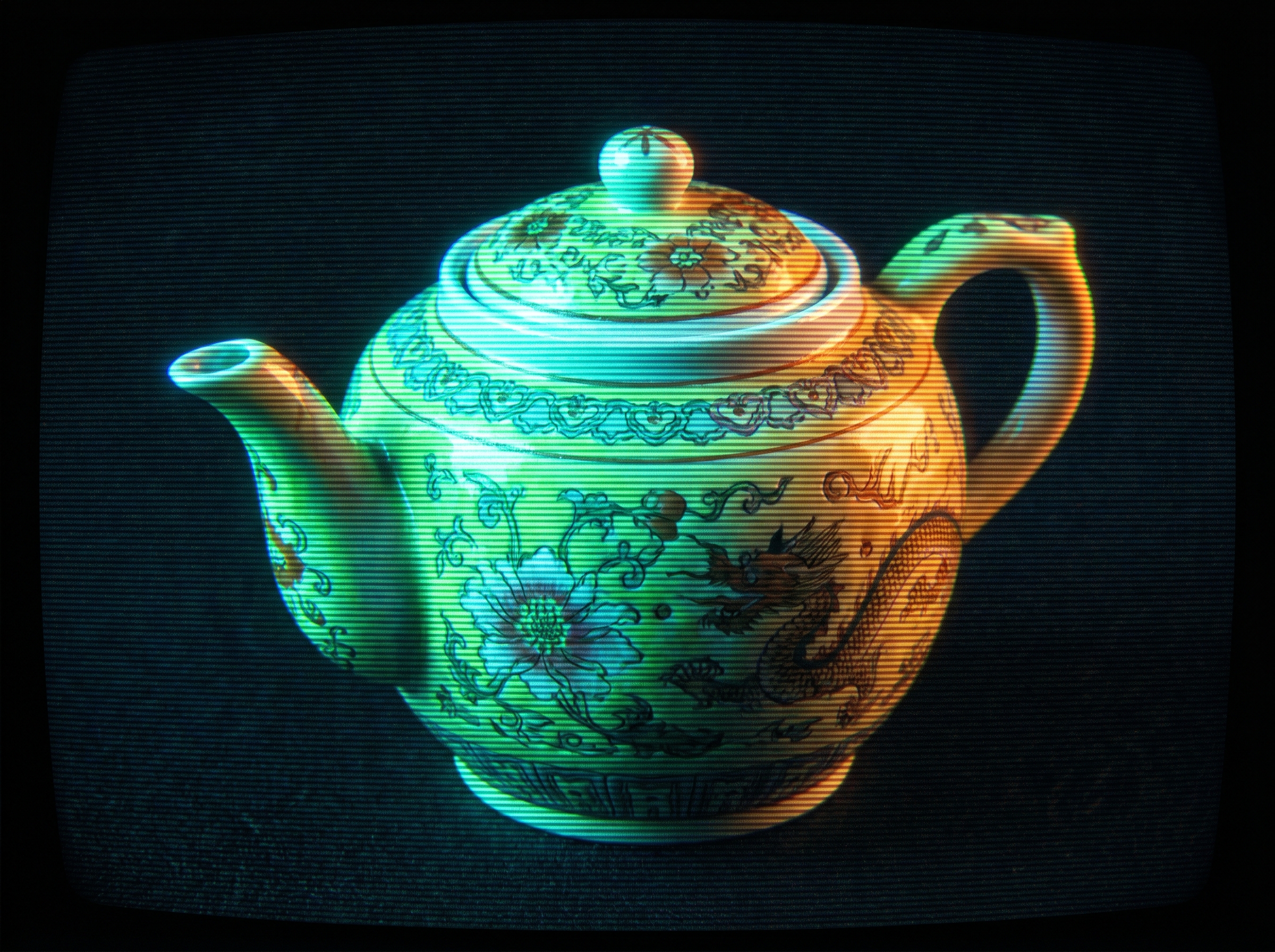
feature — A mid-complexity object or scene captured off a CRT in the Cathode style, three-quarter framing, scanlines and soft bloom across the whole picture, restrained amber accent on the warm side, edge to edge with no surrounding housing.
avatar — A head-and-shoulders subject as a Cathode CRT capture, tightly framed and square, phosphor-green glow with cyan rim and subtle chromatic-aberration on the silhouette, scanlines throughout, face overflowing the crop, no bezel or background scene.
empty-state — A calm single subject in the Cathode style with gentler bloom and lower contrast, scanlines still present and a faint corner vignette, the subject quietly filling the frame without large blank areas.
illustration — A detailed subject as a rich Cathode CRT capture, layered phosphor glow, pronounced scanlines and chromatic-aberration, cyan and amber accents picking out detail against deep near-black, reading like footage off a mission-console display, full-frame.
phosphor-glowscanlineschromatic-aberrationscreen-curvaturecrt-vignette
Credits · in the lineage of
- Analog CRT broadcast imageryTraditionphosphor screen capture
A generated style is an aggregate of many influences — credit is given to the artists and traditions it draws on, not a claim of authorship.
produced by unrecorded · sourced by unrecorded · images by unrecorded
Do
- · Bake the CRT treatment into the picture itself — scanlines, phosphor bloom, chromatic aberration and a gentle barrel curve live on the image, not on a separate screen prop.
- · Let luminous phosphor read as the light source: neon-green as the dominant glow with cyan and warm amber as the two supporting accents over deep near-black.
- · Keep horizontal RGB scanlines visible across the whole frame so every subject reads as live phosphor output.
- · Push the subject large so it overflows all four edges, full-bleed, with at most a faint vignette in the extreme corners.
- · Use chromatic-aberration red/blue fringing only on high-contrast borders to sell the analog-display feel.
Don't
- · Do not render a physical monitor, bezel, TV set, or any screen housing around the picture.
- · Do not leave empty margins, whitespace, or a small centered subject floating in blank space.
- · Do not deliver a clean, crisp, sterile modern photo or render with none of the CRT artifacts.
- · Do not wash the image into flat pastel or muddy desaturated tones — keep it luminous on near-black.
- · Do not add text, captions, UI chrome, or watermark over the image.
try it
remix with this style
Apply Cathode to any UI language and swap the palette — the preview takes this style's hero image.
Needs a Published language and palette to remix.